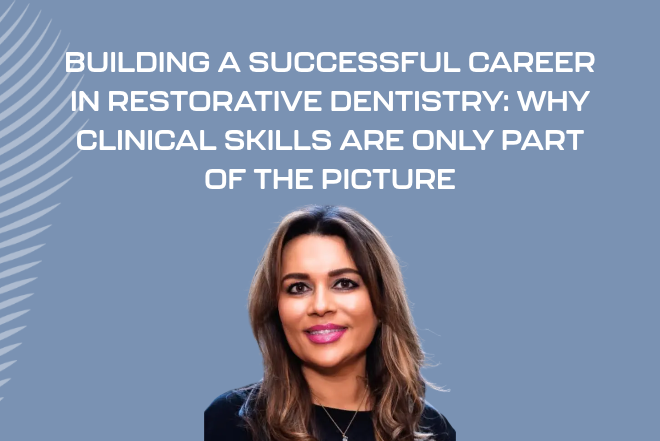
Building a successful career in restorative dentistry: Why clinical skills are only part of the picture
Building a successful career in restorative dentistry takes more than clinical knowledge alone. With so many opportunities to develop new skills, pursue further qualifications and explore different career paths, knowing where to focus your efforts can be challenging, particularly in the early years.
At Dentistry Show London 2026, Dr Nicola Gore, cosmetic and general dentist, experienced Dental Foundation Trainer and Vice President of the College of General Dentistry, explored how early career practitioners can take control of their professional development and build the foundations for a rewarding, sustainable career.
Drawing on more than three decades in dentistry, including experience in clinical practice, postgraduate education, practice ownership and professional leadership, Nicola shared insights into the clinical and non-clinical skills that can help dentists progress and make the most of the opportunities available to them.
Take ownership of your career development
One of the key messages from the session was the importance of being proactive about career progression, rather than simply waiting for opportunities to arise.
For dentists in the early stages of their careers, taking time to consider their interests, strengths and long-term ambitions can help guide decisions about further training and professional development.
Nicola encouraged delegates to think beyond their immediate clinical responsibilities and consider where they would like their careers to take them.
With opportunities spanning clinical practice, education, leadership and practice ownership, there is no single route to success. Building strong foundations early on can help dentists remain open to different possibilities as their careers evolve.
Exploring opportunities to enhance your skills
Continuing professional development was another important theme, with Nicola highlighting the range of courses and postgraduate qualifications available to dentists looking to expand their clinical expertise.
For those interested in developing advanced skills in a particular area, additional training can provide a pathway towards becoming an enhanced practitioner.
Drawing on her own experience of postgraduate study in prosthodontics, Nicola demonstrated how investing in further education can open doors to new clinical and professional opportunities.
The message was clear: learning doesn't stop after qualification, and a commitment to developing knowledge and skills can help shape a fulfilling career.
Becoming a 'super associate'
Beyond clinical expertise, Nicola introduced the concept of the 'super associate' – a dentist who understands not only how to deliver excellent patient care, but also how the wider practice operates.
From recognising the commercial realities of running a dental business to understanding the importance of teamwork and effective communication, developing this broader perspective can make associates more valuable members of the practice.
It can also help build stronger working relationships with practice principals, create opportunities to take on additional responsibilities and provide useful foundations for those considering leadership or ownership in the future.
Embracing technology and AI
As technology continues to influence dentistry, Nicola also explored the role artificial intelligence can play in supporting professional development.
For early career dentists, AI offers opportunities to support learning, improve efficiency and assist with everyday tasks.
However, the emphasis was on using these tools thoughtfully, ensuring that technology complements clinical expertise and professional judgement rather than replacing them.
Don't underestimate the importance of soft skills
While clinical training and qualifications are essential, Nicola reinforced that some of the most valuable skills in dentistry extend beyond the treatment room.
Communication, leadership, professionalism and resilience all contribute to how dentists interact with patients, work alongside colleagues and navigate the challenges of clinical practice.
She also highlighted the importance of wellbeing, reminding delegates that looking after their own health and maintaining a sustainable work-life balance are important considerations for a long and rewarding career.
Developing these skills alongside clinical expertise can help dentists build confidence, strengthen professional relationships and manage the pressures that come with practice.
Creating a career that works for you
Ultimately, the session reinforced that career progression in restorative dentistry isn't simply about gaining more qualifications or developing advanced clinical techniques.
It is about taking a broader approach to professional development, combining clinical excellence with business awareness, interpersonal skills and a willingness to continue learning.
Whether the ambition is to become an enhanced practitioner, an exceptional associate, an educator or a future practice owner, Nicola's advice offered an encouraging reminder that the choices made early in a career can help create opportunities for years to come.
Dentistry Show London returns on 1-2 October 2027 at Excel London, with more expert-led education, practical insights and opportunities to support your professional development.